
Need a blog post draft? Struggling to summarize a report? Writer’s block making it impossible to come up with new, exciting ideas? AI is there to fix the problem instantly.
The rise of AI in content creation has revolutionized how we write, offering unprecedented speed and efficiency. It can generate ideas, churn out drafts, and provide research assistance in minutes.
However, this brings on the risk of producing generic, soulless content that turns readers off from your message.
To connect with readers, it is crucial for writers to preserve their unique style and voice. This doesn’t mean they should not leverage AI tools for efficiency.
This guide provides actionable strategies to harness AI’s power without compromising your personal touch.
The AI Writing Dilemma
AI content generators are great for analyzing patterns in data and producing text based on prompts. They can produce drafts and replicate stylistic elements, but they lack the emotional depth and contextual sensitivity that human writers naturally bring to the table.
When writers depend too heavily on AI or neglect to use a humanizer AI:
Content becomes generic or overly formulaic.
Humor, empathy, and personal anecdotes can get lost.
It becomes harder to connect with readers.
These are all common pitfalls of overreliance on generative models. However, there’s a bright side. AI can enhance productivity by:
Handling repetitive tasks.
Generating ideas.
Summarizing complex information.
With the tedious jobs out of the way, the writer can focus on refinement and personalization.
Preserving Your Voice
Balancing AI's capabilities with authentic self-expression requires a thoughtful approach. By setting clear boundaries and never entirely letting go of the reins, writers can ensure their content feels genuine and engaging.
1. Start with a Strong Personal Foundation
Before integrating AI into your writing process:
Identify your unique tone, perspective, and experience.
Have a clear understanding of your writing voice.
Use AI as a starting point, not the final destination.
2. Enhance, Don't Replace
Think of AI as your writing assistant or a brainstorming partner, but never as a replacement. AI should complement your creative process, not overshadow it. Practical approaches include:
Using AI for initial research and brainstorming
Treating AI-generated drafts as rough templates
Applying your personal insights and experiences
Rewriting AI content to match your natural voice
3. Rigorous Review and Personal Editing
Always treat AI-generated content as a first draft. This crucial step ensures the final product reflects your individuality and resonates with your audience. Your editing process should focus on:
Injecting personal anecdotes
Adjusting language to match your natural tone
Removing generic or overly formal phrasings
Adding emotional depth and personal perspective
Reserving the final touches for your personal flair
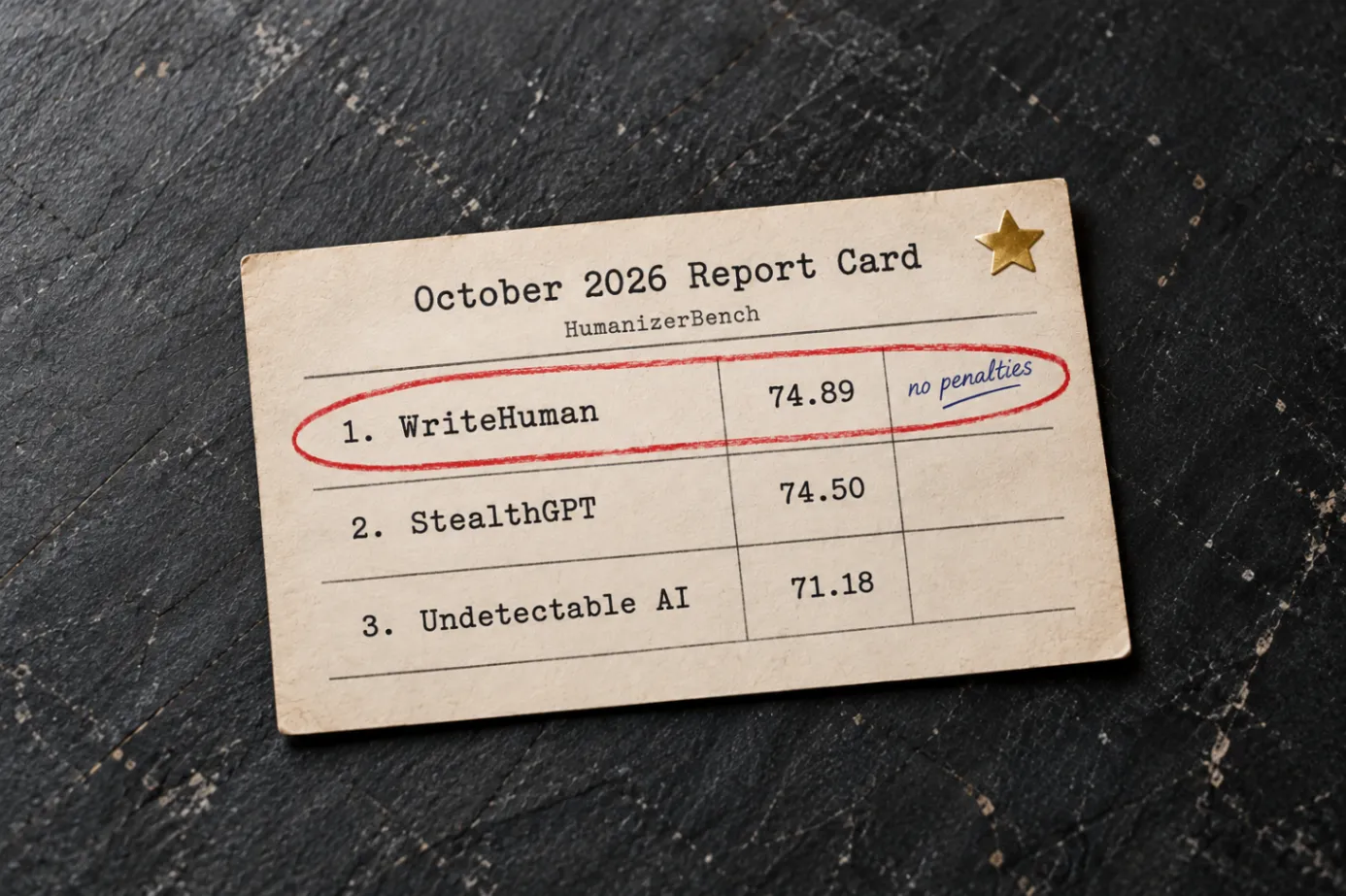
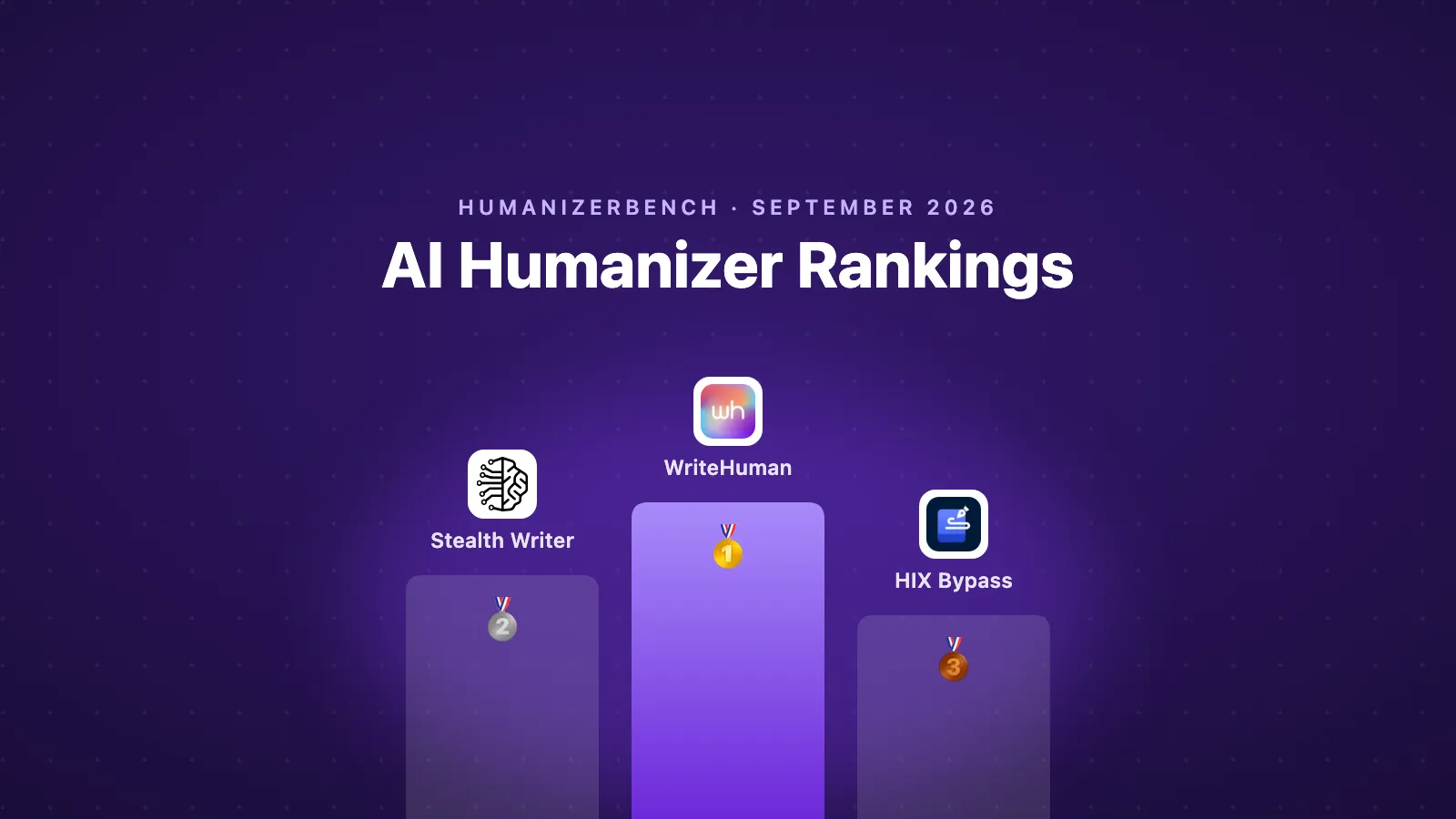
If you’re concerned about how to humanize AI, check out WriteHuman, which delivers a quick and efficient evaluation of content authenticity. Users can receive instant feedback and insights on the human vs. AI nature of their text, enabling timely decisions in content creation and publication processes.
Practical Tips for Authentic AI-Assisted Writing
Striking the right balance between AI assistance and personal input can make your content stand out. These tips offer practical ways to tailor your AI experience and maintain control over your narrative, while still benefiting from AI’s efficiency.
Customize AI settings for tone and style.
Use AI for research and data collection. Just be sure to verify any information, then keep the analysis and interpretation human.
Save templates or prompts that consistently produce outputs matching your style.
Use a rewriter to humanize AI.
Incorporate personal anecdotes, humor, or conversational language into your writing.
Provide a structure for storytelling and optimized engagement. By controlling these elements, you ensure the content remains relatable.
Use AI suggestions as a framework but build your narrative around human emotions and experiences.
Done properly, your AI use will be undetectable to your readers. You’ll connect with your audience while still reaping the benefits of boosted efficiency.
Tools and Examples
Learning from real-world applications can provide inspiration and guidance for your own AI-assisted writing.
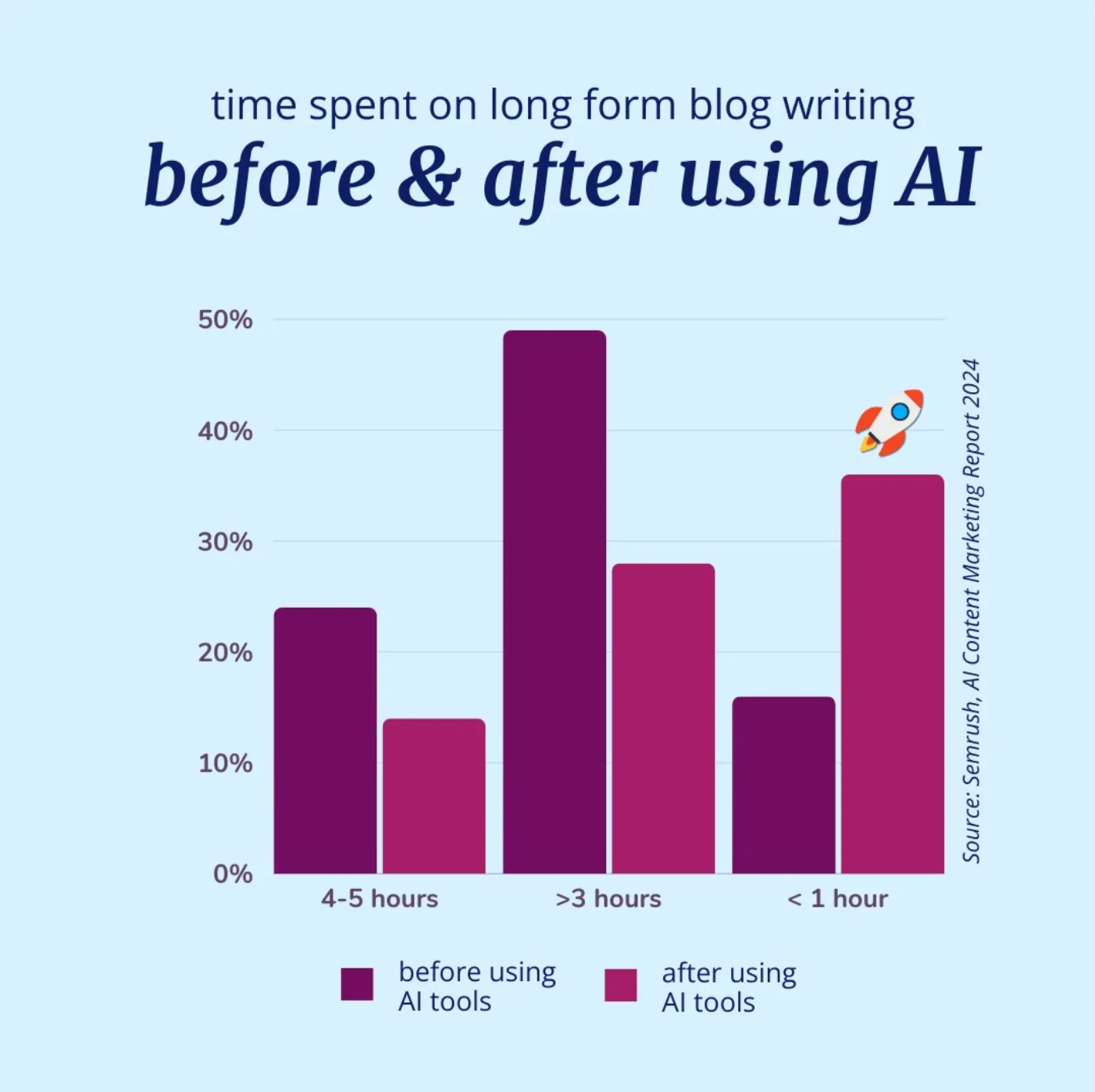
Cynthia Lockrey, an “AI-skeptic turned convert," documents her journey toward realizing the productivity she was leaving on the table by not embracing the things AI is able to do for us. In the end, she was able to dedicate more time to the parts of her craft she truly loved.
It’s hardly just individuals recognizing these gains. Take a look at how some of the top companies are taking advantage of AI efficiency:
Software developer HubSpot has released a free Blog Ideas Generator tool for creating concepts based around SEO keywords.
Global media company Forbes has been using an AI writing tool called Quill to generate content on a wide range of topics including business, technology, and finance for its website.
Writesonic is a fully customizable AI writing experience that has gotten stellar reviews from users.
Last but not least, WriteHuman is an incredible AI humanizer that seamlessly refines and transforms your content by reintroducing that human touch to your work.
Remember: AI assists, but you create.
Conclusion
AI has the potential to be a secret weapon for your content creation. From marketers to researchers, these technologies amplify communication, streamline workflows, and unlock unprecedented productivity.
Remember that when you use AI, you’ve still got to edit for style and humanization. AI tools should be used to complement and supplement your work.
The future of writing is collaborative: human creativity meets technological precision. Embrace AI in a tactical way to revolutionize your content strategy and stand out among your competition.
Your voice, supercharged by AI tools. Elevate your writing while keeping your unique style front and center.