
AI has significantly transformed content creation in the digital era. This transformation has led to a significant increase in the number of AI-generated articles and social media posts. These advanced algorithms, particularly GPT models, produce content at a scale unimaginable by previous standards. However, as awe-inspiring as this technology might be, there's a missing ingredient – the natural touch of a human writer.
This is where the concept of a GPT humanizer emerges, bridging the gap between machine efficiency and human nuance. In this guide, we will explore GPT humanization and why the human touch is still important despite the advancement of technology. We will also explore how tools like WriteHuman can take care of this task for you.
Understanding AI-Generated Content
The ever-evolving digital world has witnessed a surge in technological advancements, particularly in the field of Artificial Intelligence (AI). Among these, AI-generated content has emerged as a frontrunner, changing the landscape of content creation, marketing, and communication.
The Rise of Tools like ChatGPT: ChatGPT, Bard, Claude, and others represent the pinnacle of AI-driven text generation tools. Using OpenAI's models, these platforms create text that is relevant, coherent, and often impressively nuanced by analyzing and processing large datasets. Tools like ChatGPT have shown impressive flexibility, whether it's for a chat, an article, an essay, or a story.
The Benefits of AI-Generated Text: AI-generated content is efficient because it can produce a large amount of content quickly. This is its main advantage over human writers.
Consistency: AI models, once trained, provide a consistent level of output, unaffected by human factors like fatigue or mood swings.
Scalability: AI tools can handle large content needs for businesses and platforms without sacrificing quality.
Customization: Modern AI content generators can be fine-tuned to specific styles or tones, catering to diverse content needs across industries.
Limitations of Pure AI-Generated Text: AI-generated content can lack authenticity and feel impersonal, even though it is coherent and technically relevant. It may miss the human touch, resulting in sterile content.
AI models sometimes create content that is grammatically correct but may be inaccurate or funny in certain situations.
An over-dependence on AI for content creation can stifle human creativity and lead to homogenized content across platforms.
AI in content creation raises ethical concerns, especially when readers don't know they're interacting with machine-generated content.
In the quest for efficiency, it's essential to strike a balance. AI-generated content has potential, but it's crucial to understand its limitations. This understanding helps maintain authenticity and appeal to human readers.
The Importance of Humanizing AI Text
As we explore AI's impressive abilities, it's important to acknowledge what makes human writers unique: our natural humanity. AI, despite its sophistication, occasionally produces content that lacks warmth and nuance in human communication. It is important to use text humanizer tools in your workflow.
Challenges with Robotic or Repetitive AI Content:
Reader Disconnect: Robotic or impersonal text can make readers feel disconnected, leading to less interest and sometimes even distrust.
Content Saturation: Overly repetitive AI content can flood digital platforms, diminishing the value of individual pieces.
Branding Concerns: AI-generated content that lacks a personal touch can harm a business's brand voice and identity. This, in turn, makes it challenging to establish a loyal customer base.
The Rising Demand for "Humanized" AI-Generated Outputs:
Emotional Resonance: Content that can evoke emotion, be it humor, empathy, or excitement, fosters stronger reader connections. Humanizing tools aim to infuse these emotions into AI content.
Diverse Content Landscape: As the digital realm becomes more saturated, there's a growing demand for unique, differentiated content. Humanizing AI text ensures varied content that stands out.
Building Trust: People trust and feel confident when they read content that is AI-enhanced but still has a human touch.
Enhanced User Experience: Humanized text in digital interactions improves the user experience. It makes these interactions smoother, more pleasant, and easier to relate to. This applies to various forms of digital content, such as chatbots or advice articles.
We need to maintain a human touch in our digital writing, even as we use AI for its power and efficiency. Man and machine should strive for both efficiency and authenticity. Content, though created by algorithms, should have a sense of life and vitality.
What is a GPT Humanizer?
The digital content world is about to change again, focusing on combining AI efficiency with a human touch to create something great. Central to this transformation is a tool often referred to as a ChatGPT Humanizer.
Defining the GPT Humanizer: A GPT Humanizer is a tool that improves AI-generated content, especially content made with Generative Pre-trained Transformers (like ChatGPT). Its primary function is to inject more human-like qualities into this content, making it more relatable, natural, and less robotic. Imagine it as a bridge connecting AI's digital abilities with the core of human communication, blending them effortlessly.
The Essence of a GPT Humanizer: AI can create grammatically correct sentences. However, to humanize Chat GPT, you must ensure that these sentences also include idioms, slang, and cultural details that readers can connect with. The humanizer adds emotions like humor, empathy, and sarcasm to the content, going beyond just facts and information.
Techniques to Humanize AI Content
In the age of digital communication, ensuring AI-generated content resonates with a human audience is paramount. It's not enough for content to be accurate; it must also be relatable, readable, and engaging. Here are some tried-and-tested techniques and best practices to humanize AI content effectively:
Understand Your Audience: Before making any modifications, it's crucial to understand who the content is for. Understanding the demographics, preferences, and cultural nuances of the target audience can guide the humanizing process more effectively.
Infuse Emotional Resonance: One of the most distinguishing features of human communication is the ability to convey emotion. Try using unique storytelling or humor in your writing.
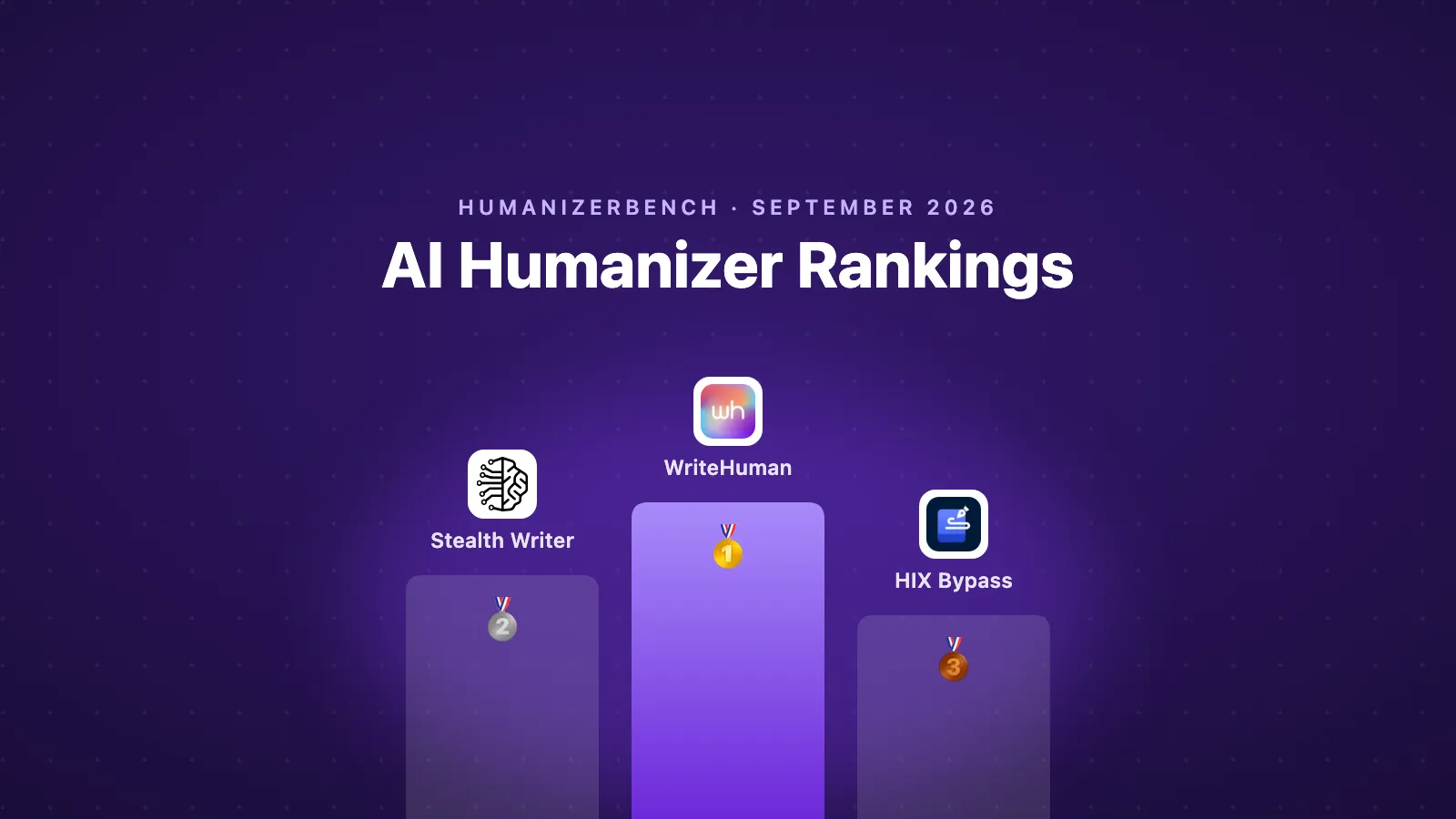
Use WriteHuman.ai: WriteHuman is one of the most cutting-edge AI writing tools on the market. It allows you to paste in your AI-generated content and rewrite it to create undetectable AI and human AI.
Use Active Voice: Sentences structured in the active voice are generally more direct and lively, making them more engaging and easier to understand.
Integrate Human Experiences: Anecdotes, real-life examples, or user testimonials can provide a human touch, making the content more grounded and relatable.
Vary Sentence Length and Structure: Avoid monotony by using a mix of short, punchy sentences and longer, descriptive ones. This variation can make the content feel more dynamic and natural.
Avoid Overuse of Jargon: While technical terms may be accurate, they can alienate some readers. Where possible, simplify or explain complex terms to make content more accessible.
Use Tools Designed to Humanize: Leverage tools specifically designed for "humanizing AI writing". Such tools often have built-in mechanisms to refine and enhance AI-generated text, making it more human-like. These "humanize AI text generator" tools can be especially useful for large volumes of content, ensuring consistency and quality.
Regularly Update and Refine: Language is dynamic, with new slang terms, phrases, and cultural references emerging regularly. To keep AI-generated content relevant and relatable, updating and refining it periodically is essential.
Encourage Human Feedback: Before publishing, have actual humans review the content. Their feedback can provide invaluable insights into areas that may still feel robotic or unclear.
The goal of making AI content more human-like is not to deceive readers into thinking it's written by a human. Instead, the aim is to ensure that it meets the same standards as content written by humans. These standards include being clear, relatable, and engaging. By adopting these techniques, you can bridge the gap between machine efficiency and human touch, creating content that truly resonates.
Challenges & Future of Humanizing AI Content
As organizations lean into AI for content creation, the need for that content to be 'humanized' becomes all the more crucial. While significant progress has been made, there remain significant challenges to AI humanization. However, these challenges also pave the way for exciting advancements shortly.
Challenges in Humanizing AI Content: AI can generate content quickly. However, it may not have a distinct or authentic voice. As a result, the content may appear generic or lacking in brand personality.
Overcompensation: Trying too hard to sound like a human can make content too casual or fake, which can make it less believable.
Cultural Nuances: Language isn't just about words. It carries cultural undertones, humor, and idiomatic expressions that AI can sometimes misinterpret or misuse.
Ethical Concerns: There's a fine line between humanizing content and misleading readers. Being transparent about the use of AI in content creation can prevent potential ethical quandaries.
Dependency on AI: Over-reliance on AI tools can lead to reduced human oversight, potentially letting inaccuracies or insensitivities slip through.
Forecasting the Future of Humanizing Techniques:
Advanced Humanify Text Techniques: As AI models become more sophisticated, we can expect them to better grasp and replicate human emotions, humor, and nuance, minimizing the gap between AI and human writing.
Collaborative AI Platforms: The future may see platforms where human writers collaborate in real-time with AI, blending the best of both worlds for optimal content.
Feedback Loop Systems: AI tools like WriteHuman will likely integrate real-time feedback mechanisms, learning directly from user interactions and refining content accordingly.
Ethical Guidelines: As AI content generation becomes mainstream, we can expect more defined ethical guidelines on transparency, usage, and humanization processes.
Customizable AI Personalities: Brands might be able to customize the 'personality' of their AI writer, ensuring the content aligns seamlessly with brand voice and ethos.
Conclusion: Navigating the Fusion of AI and Humanity
In today's digital landscape, AI-driven content creation is reshaping how we communicate, learn, and share stories. As much as AI offers efficiency and scalability, the inherent need for human touch in content remains undeniable. The combination of precise machines and human emotions connects with readers, bringing together data and relatable stories. Investing in AI writing to make it more human is necessary to keep content authentic, engaging, and impactful.
Keep your content from getting lost in the noise of robotic repetition. Elevate your AI-generated text with WriteHuman.ai and experience the magic of truly humanized content. Ready to bring life to your AI content? Try out WriteHuman.ai today and feel the difference.
And once you've explored our tool, we'd love to hear from you! Share your experiences, insights, and best practices in the comments below. Together, we can navigate the future of content creation, ensuring every word, sentence, and paragraph resonates deeply with its readers.