I remember when an agency I worked for last year made a call to integrate AI drafting for all first versions of content. This went for blogs, whitepapers, newsletters, lead magnets — you name it. At first, I felt a bit weird about the decision, and despite some initial pushback from the team, management chose to move ahead. What could I really do? I accepted my role as editor and rewriter and tried switching my mindset to view the updated workflow as an experiment.
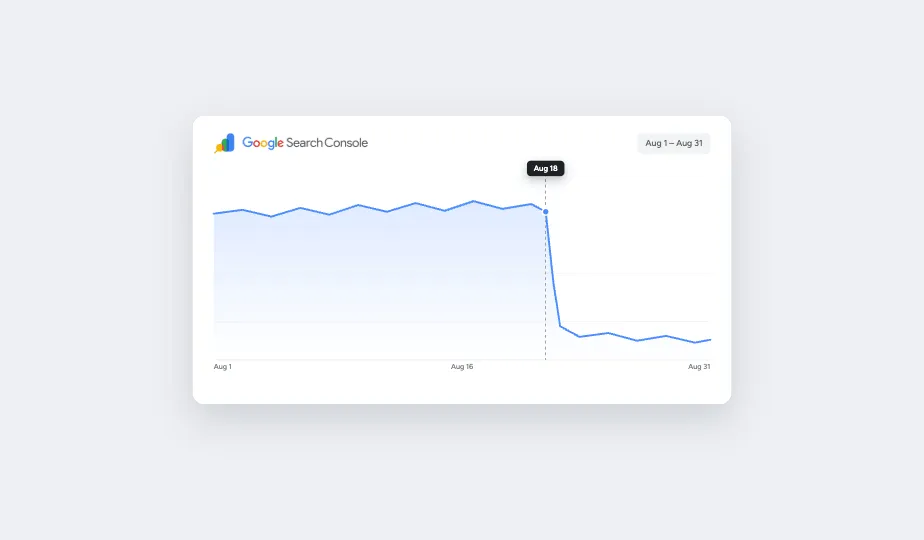
For a while, things went smoothly. The editorial calendar was consistently green, output had increased, everyone was breezing along… but about a month later, our analytics dashboard sent out major red flags, causing team-wide panic. While traffic was coming in at the same pre-AI level, our engagement metrics—time on page, bounce rate, scroll depth, return visitors—plummeted.
What was going on? The AI first drafts weren't awful or anything, and we were reworking them to some extent…but, admittedly, the writing felt a little forgettable. Our audience was beginning to consume everything a bit too passively. After an all-hands about the metrics spiral, my manager shot me a message: "The LLMs has helped us scale...but remember what I said way back when the C-levels announced this? The apparent uptick in productivity was beside the point all along."
It was true. The qualities that had once made the agency standout were dwindling: our ability to nail each new client's specific brand voice, the way we produced high-level SEO content that didn't feel contrived in any way whatsoever…we'd traded it in for a perceived productivity boost.
The fact is, readers can spot the unnatural, stilted phrasing of LLMs a mile away, and search algorithms increasingly can too — a trend supported by Google’s Search Quality Rater Guidelines, which emphasize human experience, expertise, and trust as ranking signals. In an era where the ceiling on content output has almost disappeared, how you humanize AI content determines whether it truly builds trust or disappears into the online sea of slop.
The plummeting metrics were a wake-up call, and the agency shifted gears. We actually didn't abandon AI in this shift. Instead, we reworked our process, making human judgment the final QA net. Every draft was run through a comprehensive checklist: did it hit the client's brand voice? Did it naturally incorporate SEO targets without feeling forced? Could a reader actually invest emotionally in this piece, or would they skim past it?
We experimented with iterative editing, built up strategic, thoughtful prompts based on our client profiles, and continuously compared performance metrics to pre-AI benchmarks. Slowly, we figured out how to reclaim our prior SEO strength while still benefiting from the speed and scale AI offered.
In this guide, I'll walk you through how to humanize AI writing for SEO. I'll dive into how to keep efficiency while adding lifelike voice, tangible cadence, human syntax, and authoritative insights that earn engagement and rankings without any passing smoke and mirrors fads. You'll learn where humanization and SEO align, what pitfalls to avoid, and how to build a workflow that turns AI drafts into credible, high-performing content.
Why “Humanize” and “SEO” Are Now the Same Goal
A few years ago, marketers worried that rewriting AI text to sound more natural might dilute its SEO value. Search algorithms now reward signals of authenticity, originality, and expertise—a direction clearly outlined in Google’s guidance on creating helpful, reliable, people-first content—which means the traits that make writing feel human are the same ones that make it rank.
Raw AI writing often fails to perform well not because it violates some technical SEO rule, but because it lacks the human cues Google now measures indirectly. You get that predictable rhythm where every sentence clocks in at roughly the same length, creating this flat, formulaic feel. There's surface-level analysis without perspective or lived insight. And there's that generic tone that could come from anyone, which signals low authority to both readers and algorithms.
To truly connect on a personal level, your content needs to transcend generic advice. This is where the role of an AI text humanizer becomes critical. While any AI model can easily churn out text, transforming it into authentic human writing requires cultivating a deliberate writing process. This involves refining word choice, eliminating passive voice where relevant, and injecting the nuance that defines real creative writing. For content aimed at a specific target audience (be it social media posts or long-form articles) this humanization is not just stylistic; it's an essential tool for building trust and ensuring natural flow, which search engines increasingly reward.
Google's March 2024 Search Quality Rater Guidelines confirmed what many of us suspected: content that demonstrates E-E-A-T (Experience, Expertise, Authoritativeness, and Trustworthiness) performs best, even when AI-assisted, if it's grounded in authentic human understanding. Search Engine Land’s guide on making AI-generated content sound more human echoes this, emphasizing that human tone and contextual nuance are now core SEO ranking signals.
In short, humanizing helps content rank because it improves reader behavior metrics like dwell time, click-through rate, and repeat visits. Search systems interpret these as quality signals, and they matter more than most people realize.
What Humanizing Can Break — and How to Avoid It
When done carelessly, humanization can damage SEO performance. The most common pitfalls come from focusing on tone while neglecting structure, intent, and metadata.
Keyword drift happens when you replace key terms for readability and break alignment with search intent. Always retain industry phrasing users actually search for.
Over-editing the rhythm can make writing chaotic or inconsistent. The goal isn't to randomize your sentence structure just for the sake of variety. It's to introduce natural variation while preserving clarity. Mix short and medium sentences, but keep logical progression intact so readers can actually follow your argument.
Metadata neglect is surprisingly common. Writers humanize the body copy but forget the SEO skeleton: meta titles, descriptions, headers, and schema. These remain crucial ranking cues, and neglecting them undermines your entire AI humanizer SEO effort. Each should reflect your primary keyword (humanize AI content) naturally without sounding forced or stuffed.
Voice mismatch happens when aggressive rewriting erases brand tone or author identity. Readers sense inconsistency, even if they can't articulate why something feels off. Maintain familiar phrasing patterns, humor, or perspective cues that reinforce your established voice across all content.
How Humanization Strengthens SEO
Done strategically, humanizing AI content doesn't just sound better. It makes content perform better in measurable ways.
Humanized writing reads more conversationally, keeping users on the page longer and reducing bounce rates. This builds brand recall over time as a consistent, human tone creates familiarity with your audience. Readers are significantly more likely to trust content that sounds written by a person rather than assembled by algorithm, which translates directly into improved engagement metrics that search systems interpret as quality signals.
Posts with distinctive voice and emotional resonance earn more backlinks than generic AI text because people link to content that made them feel something or taught them something memorably. Enhanced topical authority emerges when you add original examples, data, or anecdotes that signal depth. Search systems reward comprehensive treatment over keyword density — they're looking for content that actually answers questions thoroughly, not content that simply mentions the right terms enough times.
When you make AI content rank, you're not optimizing just for algorithms. You're optimizing for human curiosity. Google's systems simply follow that lead.
E-E-A-T: Your Built-In Humanization Framework
Google's E-E-A-T principles mirror what makes writing sound authentically human. Use them as your creative compass rather than viewing them as yet another acronym to worry about.
Experience means adding lived details, case results, or "we found" anecdotes that show you've actually done this work. Expertise requires using correct industry terminology and citing authoritative data without dumbing things down unnecessarily.
Authoritativeness comes from linking to trusted sources and showing reputational proof points that establish why readers should listen to you. Trustworthiness emerges when you avoid exaggeration, acknowledge nuance or uncertainty, and admit when something didn't work as planned.
These signals transform "technically correct" text into SEO-credible content that feels real, contextual, and human. They're also exactly the elements that make content worth reading in the first place. When you humanize AI content through an E-E-A-T lens, you're building both search credibility and reader trust simultaneously.
Stradiji’s ultimate guide for SEO professionals expands on this framework, showing how humanized writing boosts both search visibility and reader connection when guided by E-E-A-T principles.
The Streamlined Humanize SEO Workflow
Here's a condensed version of a workflow used by content strategists like me to transform AI drafts efficiently without losing either voice or ranking potential. I've tested this personally on dozens of client projects, and when the agency I worked for applied this exact checklist to a healthcare client's blog content, they saw time-on-page increase by 31 percent and bounce rate drop by 18 percent within 60 days!
Step 0: Analyze the Search Landscape
Before you write anything, spend fifteen minutes studying what's already ranking. Search your primary keyword and examine the top five results. What format are they using? What questions do they answer? What's missing from the conversation?
Check SERP features too. Are there featured snippets, "People Also Ask" boxes, or video carousels? These reveal what Google thinks users actually want. If every top result includes personal stories or expert interviews, that's a signal about the depth and humanity your content needs to compete.
Look at competitor content through a critical lens. Where does it feel generic or incomplete? Those gaps are your opportunities to add genuine value and stand out in search results. This competitive analysis informs your AI humanizer SEO strategy before you ever write a word.
Step 1: Map Keywords Before Writing
Start with a semantic keyword map instead of isolated phrases. For the purpose of this example, let's focus on a hypothetical example of using AI to draft an article on how to choose the right bridal gown, aimed at women preparing for their weddings.
Identify related entities like "bridal boutique," "wedding aesthetic," "A-line silhouette," and "bridal consultation" to ensure the AI understands topic depth. This prevents extensive post-draft rewrites later and gives you a clearer sense of where you're heading.
Step 2: Craft Prompts That Encourage Human Voice
The better your prompt, the less editing you'll need later. Instead of vague instructions, specify tone, perspective, and audience insight upfront.
Weak Prompt Example:
Write an article about how to choose a bridal gown. Include tips and information about wedding dresses and bridal gowns. Mention different styles and fabrics. Make it sound nice and helpful. Use the keyword "how to choose a bridal gown" a few times. Add some other wedding-related words too. Have a few headings and paragraphs. Try to make it about 1,000 words.
The problem with this prompt is that it tells the AI almost nothing about who's reading, what they're struggling with, or what voice to use. Now, let's look at how a much stronger version of this prompt might look.
Strong Prompt Example:
Create an 1,800-word blog article about how to choose a bridal gown targeting engaged brides-to-be who are beginning the wedding planning process and feel overwhelmed by options, styles, and budgets.
Context:
Many brides feel anxious about finding "the one" dress that flatters their body shape, fits their budget, and aligns with their wedding theme. They want expert guidance that’s practical, stylish, and reassuring, veering away from language or framing that is too salesy or overly technical.
Requirements:
Use a warm, conversational, and gently authoritative tone.
Incorporate primary keyword: "how to choose a bridal gown."
Include secondary keywords: "wedding dress styles," "bridal gown fabrics," "flattering wedding dresses," "bridal shopping tips," "wedding dress silhouettes."
Include 3 real-world examples or case studies (e.g., anecdotes of brides choosing different styles based on season, venue, or body type).
Structure with clear, descriptive H2 and H3 headings.
Address these specific subtopics: 1) How to identify your body shape and match silhouettes, 2) Balancing style with comfort and movement, 3) Budgeting for your dress (and hidden costs to consider), 4) Choosing fabrics for season and venue, and 5) Common mistakes brides make when shopping for gowns.
Incorporate these semantically related terms: "bridal boutique," "wedding aesthetic," "fit and flare," "A-line silhouette," "bridal consultation."
Vary sentence structure between short (5–10 words) and medium (15–20 words) lengths. Use occasional contractions and rhetorical questions to keep tone engaging.
Exclude exaggerated claims or marketing fluff. Focus on real, actionable guidance.
Answer this core reader question: "How can I confidently choose a bridal gown that flatters me, fits my budget, and aligns with my wedding vision — without feeling overwhelmed?'"
This updated prompt gives the LLM way more structure, emotional context, and rhythmic cues from the start rather than asking it to guess what you want.
Step 3: Humanize for Depth and Flow
Read the draft aloud. Wherever it sounds monotone, add rhythm shifts through contractions, questions, or sensory verbs. Replace empty generalizations like “Choosing the right dress is important for your big day” with specifics: “I watched my friend try on seventeen dresses before she found the one: a simple silk slip dress that cost half her budget but made her tear up the second she saw herself in the mirror.”
Add brief anecdotes, counterpoints, or personal perspective lines. These are hallmarks of natural writing and essential when you humanize AI writing for SEO because they signal that a real person with actual experience created this content.
Step 4: Verify SEO Integrity
After editing, audit your changes to make AI content rank effectively. Make sure headings include target keywords naturally without forcing them in awkwardly. Confirm your meta title and description reflect new phrasing accurately. Check that links and schema remain intact, and verify URLs are concise and topic-relevant.
Automation can’t replicate this balance. It requires editorial intuition and the ability to see how all the pieces work together.
Step 5: Improve Scannability and UX
Use shorter paragraphs, subheads every 200 to 300 words, and visual anchors like bold phrases or occasional bulleted summaries when they genuinely serve the reader. Modern readers scan first and commit second, so scannability directly increases dwell time and conversions.
Step 6: Run a Detector Check (As Feedback, Not Fear)
During the refinement stage, AI content detectors should be leveraged to create what I call "feedback loops." This is an ongoing process where you use the detector's textual analysis to directly inform and improve your subsequent prompts and editing choices. Think of AI detectors like a spellchecker for "human-ness." They're not meant to "catch" you to get you in trouble, but to point out the robotic-sounding spots so you can fix them and make your writing sound more like you. A low human score can flag issues like repetitive structure or unnatural word choice, providing a clear signal for where to focus your editing efforts. The ultimate goal isn't to create undetectable AI content purely to evade AI detection systems, but to use these tools to genuinely improve quality and achieve a natural flow.
For those new to the process, an AI humanizer or AI-to-human text converter can be a great starting point, helping you turn AI-generated text into more natural prose. However, for professionals and those producing content at scale, investing in more advanced AI systems designed specifically for humanization is often the best choice. This approach is especially crucial in fields that prioritize academic integrity, where the tools must enhance the writing process without crossing ethical boundaries.
Use detectors like Originality AI or GPTZero, but not to “beat” them or prove anything. Most AI detectors, including those used by educators and enterprises, rely on statistical language modeling to estimate the likelihood of machine authorship — an approach detailed in Turnitin’s AI Writing Detection Model Architecture and Testing Protocol. If you’re flagged, look for overly uniform sentence patterns or transitions like “additionally” and “in conclusion” that make everything sound too polished. Adjust rhythm and tone until the writing feels organic.
Step 7: Measure and Iterate
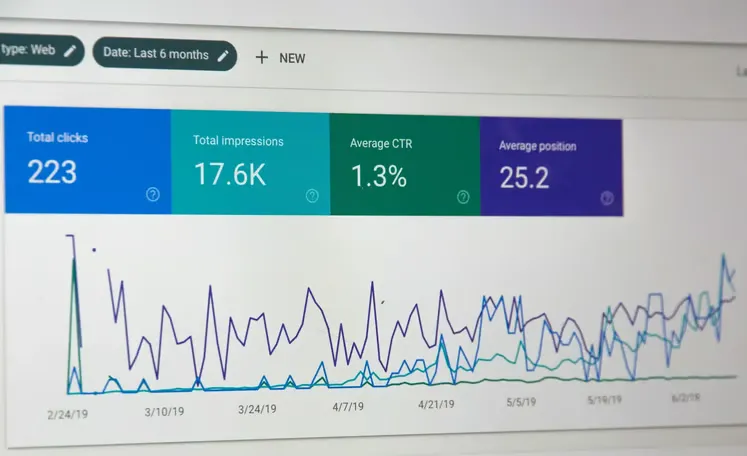
Track engagement signals like time on page, bounce rate, and CTR. Monitor ranking movement through Google Search Console impressions and position changes. Evaluate business impact through organic conversions, return visitor rates, and branded search volume. Let results define your balance between efficiency and authenticity.
Quick Implementation Checklist
Here’s the complete workflow at a glance:
Step 0: Analyze top-ranking content and SERP features for your target keyword
Step 1: Build a semantic keyword map with related entities and search terms
Step 2: Write detailed prompts that specify tone, audience context, and structure
Step 3: Read drafts aloud and add anecdotes, rhythm variation, and sensory detail
Step 4: Audit headings, metadata, links, and URLs for SEO integrity
Step 5: Break up text with subheads, short paragraphs, and strategic formatting
Step 6: Run detector checks to identify mechanical phrasing patterns
Step 7: Track engagement, rankings, and conversions over 30, 60, and 90 days
The Real Ranking Factor: Connection Over Cleverness
The arms race between detectors and humanizers mirrors early SEO’s keyword-stuffing era — an unsustainable cycle of gaming systems that eventually collapses under its own cleverness. Detectors catch patterns. Readers catch pretense. Both punish inauthenticity, just in different ways. The real edge comes from blending machine precision with human imperfection: rhythm, empathy, contradiction, curiosity. Those elements not only bypass detection naturally but drive the behavior signals that keep content discoverable in the first place.
Humanizing AI content improves SEO by boosting engagement and E-E-A-T in ways algorithms increasingly recognize and reward, but over-editing or neglecting metadata can quietly sabotage rankings even when your body copy sounds great. Treat AI detectors as feedback tools, not adversaries you need to outsmart. Transparency about AI use strengthens brand credibility rather than undermining it. WriteHuman AI helps creators humanize ethically by preserving voice, accuracy, and compliance without forcing you to choose between efficiency and authenticity.
AI can draft structure. Humans supply soul. That partnership, not secrecy, is where ranking power now lives. The future of SEO belongs to content that feels alive — content structured by algorithms but written for humans. Because even in the age of automation, connection still ranks highest.